
Call us now :08045478993
 Send Inquiry
 Send Inquiry
Disodium Hydrogen Citrate Syrup
MOQ : 50 Boxes
Disodium Hydrogen Citrate Syrup Specification
- Dosage Form
- Oral liquid/Syrup
- Brand Name
- Manufacturer/Brand as per supplier
- Packaging Type
- PET bottle with sealed cap and measuring cap
- Salt Composition
- Disodium Hydrogen Citrate 1.25 gm/5 ml
- Life Span
- 24 months from manufacturing date
- Pacakaging (Quantity Per Box)
- Properly packed in boxes, usually 60 or 100 bottles per carton
- Origin of Medicine
- India
- Indication
- Urinary tract infections, kidney stones, and metabolic acidosis
- Drug Type
- Allopathic
- Ingredients
- Disodium Hydrogen Citrate Syrup (contains Disodium Hydrogen Citrate as active ingredient) and other excipients
- Physical Form
- Tablets
- Function
- Anti-Radiation
- Recommended For
- Adults and children as prescribed by physician
- Dosage
- As directed by the physician, typically 1-2 teaspoons (5-10ml), 2-3 times a day mixed with water
- Dosage Guidelines
- Take after meals with a sufficient amount of water, do not exceed prescribed dose
- Suitable For
- Suitable for all age groups (based on physicians recommendation)
- Quantity
- Available in 100 ml, 200 ml bottles
- Storage Instructions
- Cool And Dry Place
- Precautions
- Not recommended for patients with severe renal impairment or sodium-restricted diets
- pH Value
- 4 to 8
- Marketed By
- Various pharmaceutical companies
- Bottle Material
- Food-grade PET/Safe BPA-free plastic
- Flavor
- Pleasant, palatable flavor (e.g., orange or lemon)
- Color
- Clear or light yellow syrup
- Side Effects
- Rare; may include mild gastrointestinal disturbance
- Drug Schedule
- OTC (Over-The-Counter) or as per local regulations
- Therapeutic Category
- Urology/Nephrology (renal care)
Disodium Hydrogen Citrate Syrup Trade Information
- Minimum Order Quantity
- 50 Boxes
- Payment Terms
- Telegraphic Transfer (T/T)
- Supply Ability
- 1000 Boxes Per Year
- Delivery Time
- 7 Days
- Main Domestic Market
- All India
About Disodium Hydrogen Citrate Syrup
Disodium hydrogen citrate syrup is a medication used to relieve symptoms of urinary tract infections (UTIs) such as burning sensation during urination, frequent urination, and painful urination. It is also used to prevent the formation of kidney stones. This works by making the urine less acidic, which can help to reduce the irritation and inflammation of the urinary tract.
What is Disodium Hydrogen Citrate Syrup Used For?
Disodium Hydrogen Citrate Syrup is commonly recommended for individuals experiencing urinary tract infections, kidney stones, or metabolic acidosis. Acting as an alkalinizing agent, it helps neutralize excess acid in urine, promoting renal health and comfort. Its formulation makes it accessible for both adults and children, as guided by medical professionals.
How to Use and Administer the Syrup
The syrup is best taken after meals, diluted in a sufficient amount of water. Dosage is typically 5-10 ml (1-2 teaspoons), 2-3 times per day, as prescribed by a physician. Adhering to your doctor's advice ensures optimal benefits while minimizing any risk of side effects. Use only the measuring cap provided for accurate dosing.
Safe Packaging and Storage Information
Disodium Hydrogen Citrate Syrup comes in BPA-free, food-grade PET bottles with sealed caps and a measuring cap for hygiene and safety. Store the syrup in a cool, dry place to preserve its effectiveness. Each bottle's integrity is ensured until its expiry of 24 months from manufacturing date, provided storage instructions are followed.
FAQ's of Disodium Hydrogen Citrate Syrup:
Q: How should Disodium Hydrogen Citrate Syrup be taken for optimal results?
A: For best results, Disodium Hydrogen Citrate Syrup should be taken after meals, with the prescribed dose (usually 5-10 ml) diluted in water, two to three times a day, according to your physician's instructions.Q: What are the main benefits of using Disodium Hydrogen Citrate Syrup?
A: The primary benefits include relief from symptoms of urinary tract infections, prevention and management of kidney stones, and correction of metabolic acidosis through urine alkalinization.Q: When should this syrup not be used?
A: This syrup is not recommended in patients with severe renal impairment or those on sodium-restricted diets. Always consult your physician before starting any new medication.Q: What are possible side effects of the syrup?
A: Side effects are rare, but mild gastrointestinal disturbances such as nausea or upset stomach can occur. If you experience adverse reactions, discontinue use and seek medical advice.Q: Where is Disodium Hydrogen Citrate Syrup manufactured and how is it packaged?
A: It is manufactured and marketed by various pharmaceutical companies in India and offered in safe, food-grade PET bottles, typically available in 100 ml or 200 ml sizes.Q: How long can I store the syrup after opening?
A: Once opened, the syrup should be stored in a cool, dry place, and used within the expiry date stated on the bottle-often 24 months from the manufacturing date.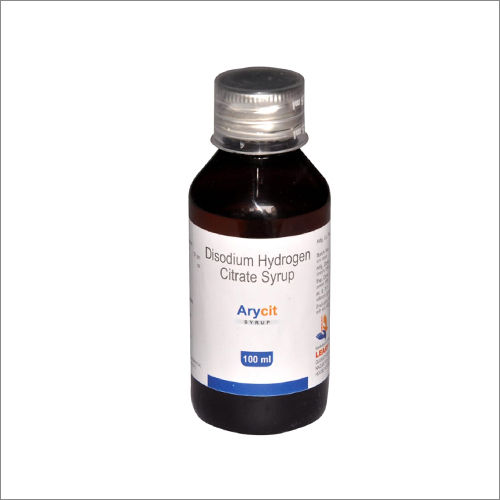
Tell us about your requirement

Price:
Quantity
Select Unit
- 50
- 100
- 200
- 250
- 500
- 1000+
Additional detail
Mobile number
Email

More Products in Common Medicines And Drugs Category
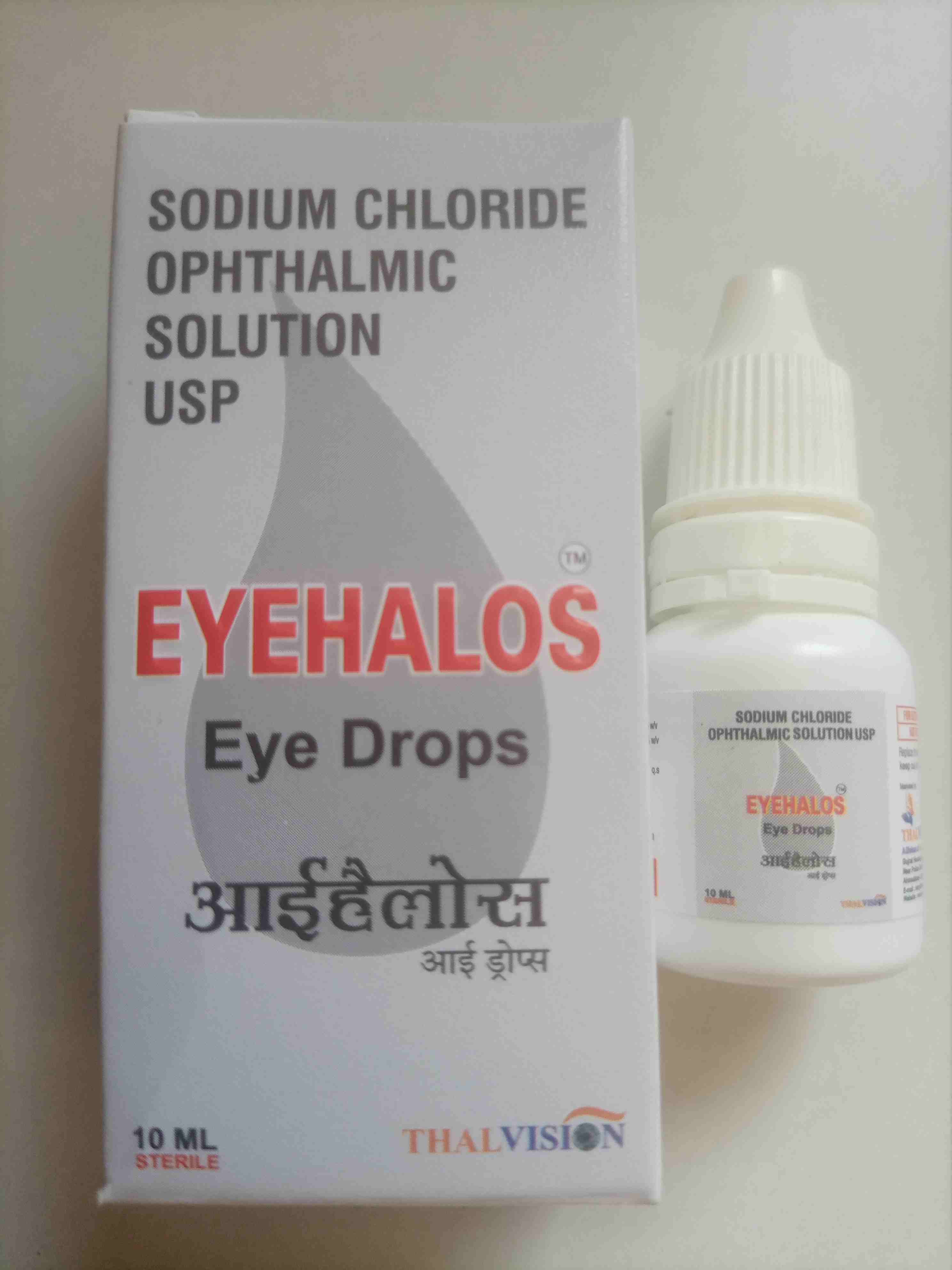
EYEHALOS EYE DROPS
Price 86.0 INR / Piece
Minimum Order Quantity : 100 Pieces
Storage Instructions : Store in a cool, dry place. Protect from light. Do not freeze.
Salt Composition : Carboxymethylcellulose Sodium 0.5% w/v
Recommended For : Dry eye relief, eye irritation, and discomfort
Dosage Guidelines : 12 drops in the affected eye(s) as needed or as prescribed

BM12-Z Syurp
Price 170 INR / Bottle
Minimum Order Quantity : 1 Bottle
Storage Instructions : Store in a cool, dry & dark place
Salt Composition : Vitamins (B1, B2, B6, B12, Niacinamide, DPanthenol, Lysine Hydrochloride, Sorbitol)
Recommended For : Vitamin deficiency, General Weakness, Loss of Appetite
Dosage Guidelines : Take after meals or as prescribed
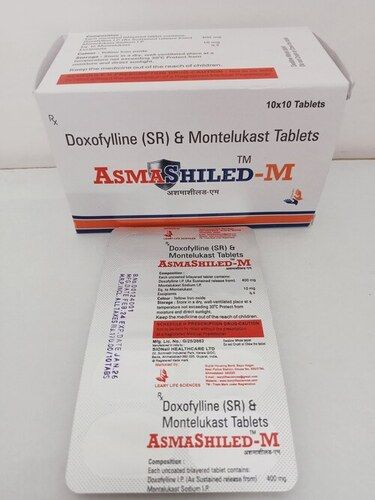
ASMASHILEM-M DOXFYLLINE
Price 170 INR / Set
Minimum Order Quantity : 10
Storage Instructions : Store in a cool dry place away from direct sunlight and moisture
Salt Composition : Doxofylline 400 mg
Recommended For : Individuals with asthma or COPD
Dosage Guidelines : Take orally with water usually once or twice a day as per doctors prescription

OCUEYE EYE DROPS
Price 110 INR / Bottle
Minimum Order Quantity : 25 Bottles
Storage Instructions : Store in a cool dry place away from direct sunlight. Keep out of reach of children.
Salt Composition : Carboxymethylcellulose Sodium additional active salts as specified
Recommended For : Individuals experiencing dryness or irritation in the eyes
Dosage Guidelines : Administer drops directly into the eyes; avoid contamination by not touching the tip of the bottle to surfaces or the eye

 Send Inquiry
Our Products

Mcb-Z-6-10847/1, Partap Nagar, Vishkarma Mandir, Bathinda,Bathinda - 151001, Punjab, India

Mr. Dinesh Kumar
(Proprietor)
Mobile :08045478993
 Send Inquiry
 Send SMS
Developed and Managed by Infocom Network Private Limited.
